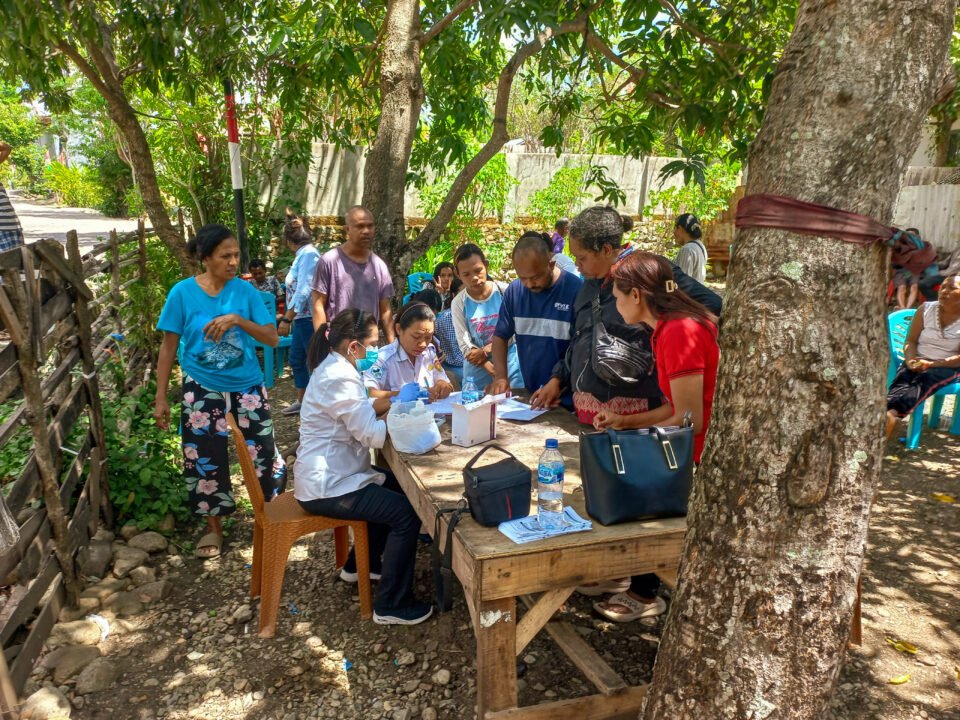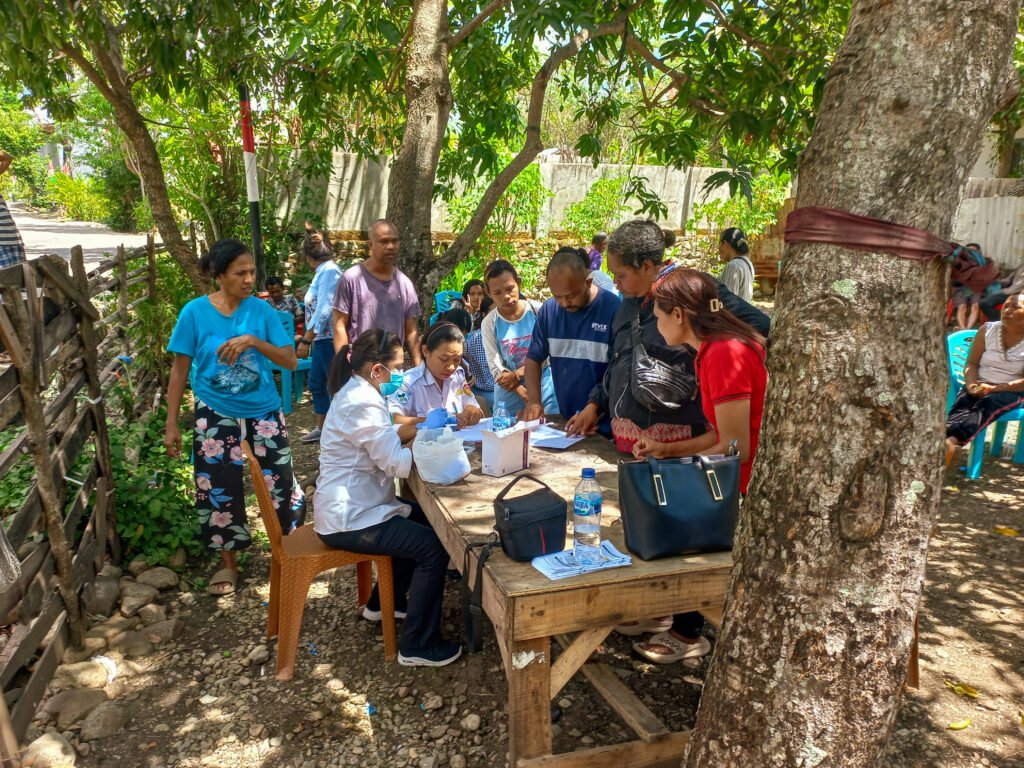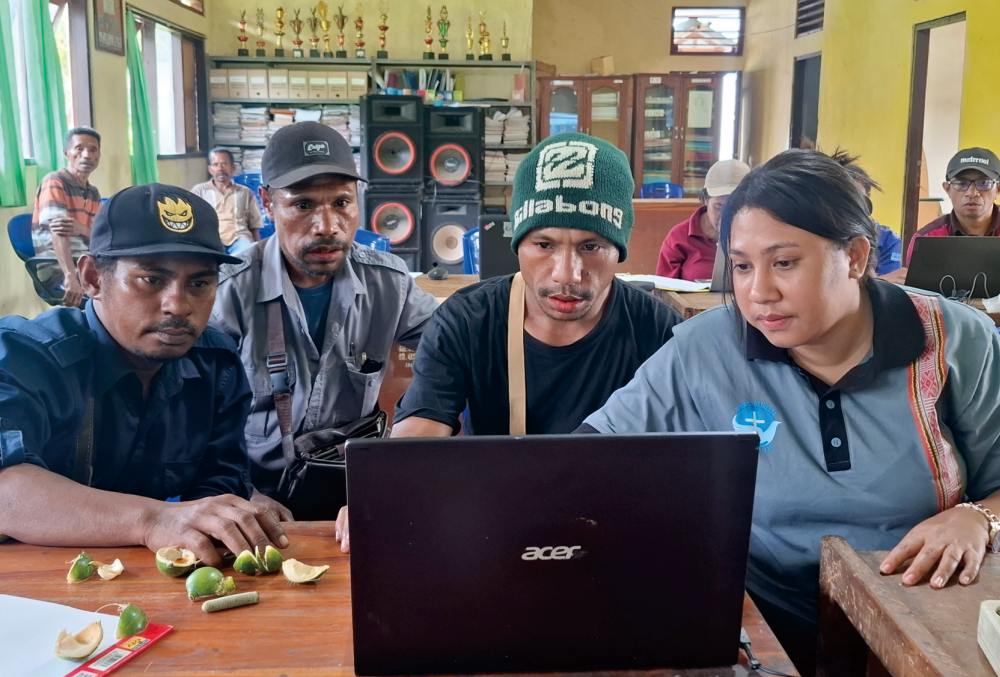
Some participants attend the Village Information System Training at the South Alor Sub-district Office Hall.
Imagine a house without windows — closed and dark. But once the windows are opened, sunlight and fresh air flow in, connecting the inside with the world outside. The same goes for a village. A village website is like a digital window that opens access to the outside world — allowing people to see, understand, and engage with the village. It is not merely a source of information, but also a symbol of transparency and the village’s readiness to embrace the progress of the times.
What is the Village Information System (VIS)?
The Village Information System (VIS) is a digital platform built on the OpenSID framework, designed to help villages manage, present, and disseminate information effectively and transparently. Through this system, communities can easily access various types of village data — from area profiles and population statistics to activity updates and local product promotions featured on the Lapak Desa platform.
For village governments, the Village Information System (VIS) serves as a vital tool to accelerate administrative services, enhance accountability, and expand communication with both community members and external stakeholders.
The existence of VIS provides a strong foundation for realizing Digital Villages — one of the national priorities within Indonesia’s broader digital transformation agenda.
Concrete Steps from South Alor
Several villages in Alor Regency, particularly in South Alor Sub-district, have taken progressive steps by implementing the Village Information System (VIS) online. Kelaisi Tengah, Subo, Manmas, and Tamanapui are among the villages that have activated their official websites as digital windows of information.
This initiative began with the participation of village officials in a website development training organized by CD Bethesda YAKKUM on February 4–5, 2025, at the South Alor Sub-district Office Hall. The training aimed to equip the village apparatus with the necessary skills to manage digital media as an effective tool for communication and information dissemination.
Hope from Kelaisi Tengah Village
The Head of Kelaisi Tengah Village expressed hope that the presence of the Village Information System (VIS) would help realize a more transparent, participatory, and responsive governance.
In addition, the system is expected to enhance the efficiency of resource utilization, strengthen the local economy, and provide an integrated data foundation for evidence-based planning and targeted decision-making. The Village Information System (VIS) also provides public access to a range of digital services — from administrative letters and population data to essential information such as health programs, education, and other village activities.
By making information easily accessible, the quality of life of rural communities is expected to improve.
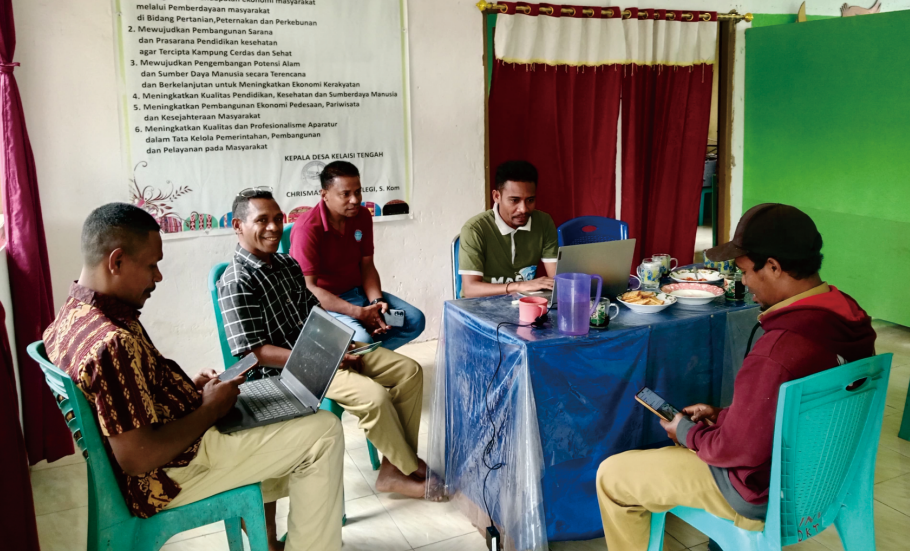
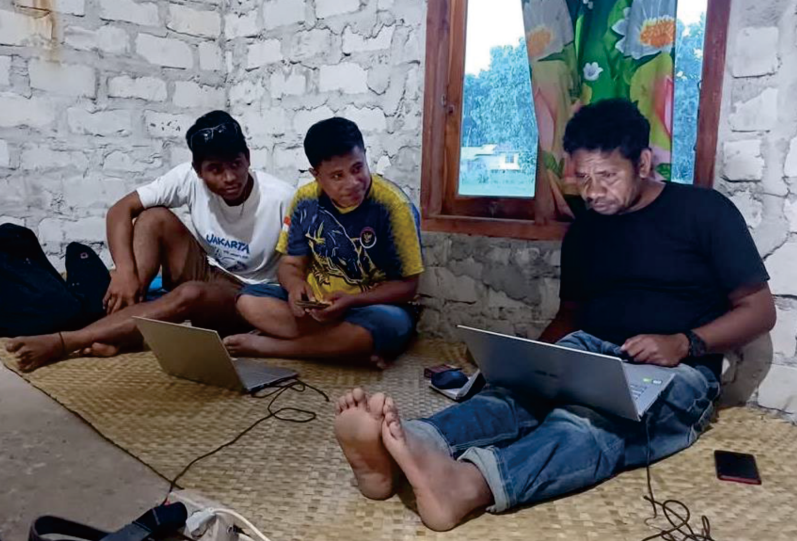
Technical assistance provided by the CD Bethesda YAKKUM Alor Area staff to the Village Information Team in South Alor.
Challenges and Obstacles in the Field
Despite the progress, the development of the Village Information System (VIS) still faces several challenges. One of the main obstacles lies in the limited human resources, as not all village staff have the capacity to manage digital systems effectively. Therefore, continuous training remains a primary need.
In addition, unstable internet connectivity, low public awareness of the importance of data, and concerns about personal data security have also become barriers. The provision of digital infrastructure requires significant investment, both in procurement and long-term maintenance.
The Head of Manmas Village also highlighted the low community participation in utilizing the VIS.
The lack of curiosity and limited engagement from residents have become distinct challenges in building a digital culture at the village level.
Ongoing Progress
Although gradual, the process of village digitalization continues to move forward. Since the launch of the official website, the village government has been actively updating content and sharing information about community activities.
Several articles have already been published, including:
- The launch of Posyandu services under the Integrated Primary Health Care (IPHC) program.
- Education on parenting practices and infant and young child feeding (IYCF).
- Training on constructing healthy toilets as part of efforts to improve village sanitation.
These steps demonstrate that digitalization is not merely about technology, but also about cultivating a new culture of governance and public service.
Towards an Inclusive and Sustainable Digital Village
In the era of digital transformation, the flow of information moves at a tremendous speed. Although internet access remains limited in some areas, technological advancements continue to open new opportunities.
Technology is no longer merely a supporting tool, but a bridge toward inclusive and sustainable village development.
The Village Information System reflects the spirit of collaboration between the government and the community. With the involvement of all parties — the government, citizens, and development partners — the village’s digital window will remain open, illuminating a brighter future for rural communities.