Village Funds for HIV and AIDS Control
May 5, 2025
Life-Cycle Approach Posyandu in Laihau Village
November 14, 2025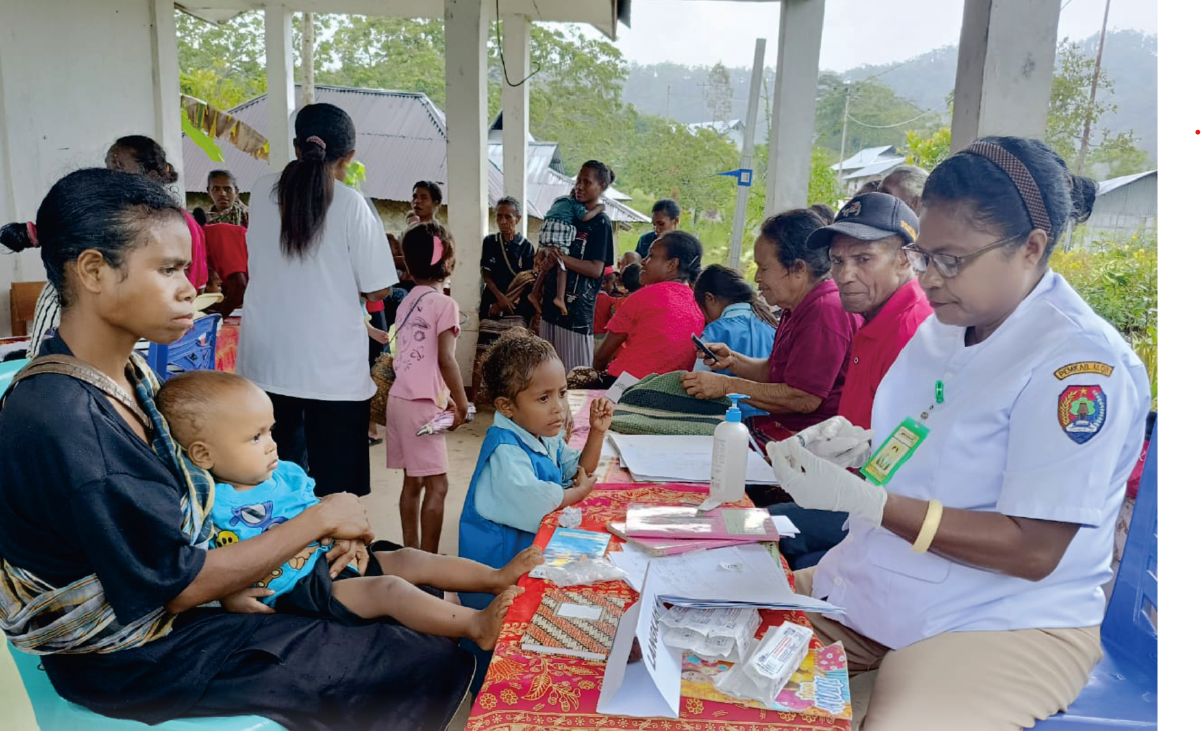
An innovation in primary health care is emerging and developing in the rural areas of Alor Regency, East Nusa Tenggara. Posyandu Anggrek 1 and Posyandu Anggrek 2 in Kelaisi Barat Village have successfully implemented the Integrated Primary Health Care (IPHC) model, which addresses all stages of the life cycle—from infancy to old age. This initiative is a concrete example of community-based health service transformation that is inclusive, sustainable, and equitable.
Posyandu Transformation: From Infant to Elderly
The IPHC-based program is part of the health transformation initiated by the Indonesian Ministry of Health. Under this approach, health services are no longer segmented only for mothers and toddlers, but are expanded to cover all age groups. At Posyandu Anggrek 1 and 2, the services cover five life-cycle clusters: infants–children under five, children–adolescents, productive age, pregnant–postpartum women, and the elderly.
The service activities are carried out routinely on the 14th of every month, involving 10 cadres in each Posyandu. In addition to providing basic health services, these activities also serve as a space for education and community health monitoring.
“Now we don’t just weigh infants. We also check the blood pressure of the elderly, conduct health screenings for adolescents, and provide nutrition counseling for people of productive age. All life stages are covered,” said Thomas Kafomai, Head Cadre of Posyandu Anggrek 2.
5 Steps of IPHC Services: Systematic and Structured
The service model in these two Posyandu follows the “5 Steps of IPHC Posyandu,” which consists of:
- Registration
- Weighing and measurement
- Recording and examination
- Health services and counseling
- Data validation and synchronization
Each step is carried out systematically to ensure not only the continuity of services but also the accuracy of data, which forms the basis for health policies and follow-up actions.
Cross-Sector Collaboration: The Key to Success
The implementation of IPHC in Kelaisi Barat does not stand alone. Strong collaboration among the community, village government, schools, churches, and health partners such as Apui Health Center and CD Bethesda YAKKUM forms the foundation of its success.
To reach more target groups, the cadres adopted creative approaches. They organized mobile Posyandu sessions at schools and churches, offering snacks prepared from their own resources to encourage children’s participation. The village government also provided incentives for the cadres and a dedicated budget for Supplementary Feeding (PMT) for undernourished toddlers.
The Head of Kelaisi Barat Village, Imanuel D. Maupada, personally monitors Posyandu activities. “We want to see firsthand what the cadres need to ensure that these services continue to develop,” he said.
Challenges Remain, but the Spirit Keeps Burning
Although showing positive results, the journey of IPHC-based Posyandu in Kelaisi Barat still faces various challenges. Limited internet connectivity hinders the use of digital health applications. Some medical devices, such as digital blood pressure monitors and blood sugar testing tools, also face battery issues.
Furthermore, the Auxiliary Community Health Center(PUSTU), built in 2024, has not yet become operational as it has not been officially inaugurated. This facility serves as a crucial referral point for health cases identified at the Posyandu. Nevertheless, the cadres do not give up. They continue to provide services with high enthusiasm and creativity. Remarkably, one of the cadres is an elderly person who remains actively involved in delivering services.
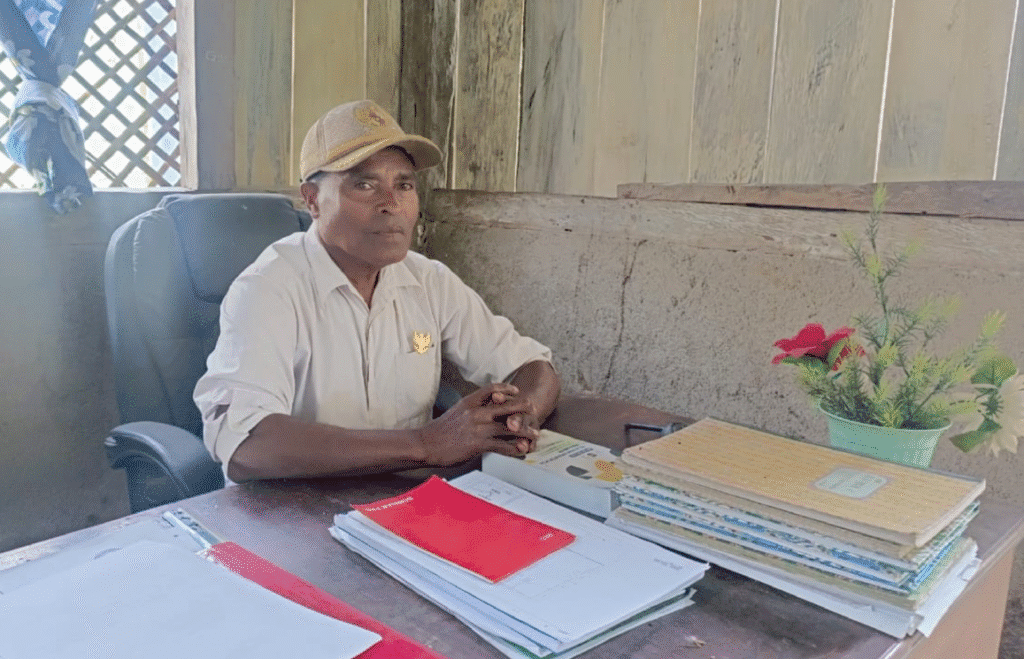
Photo of Head of Kelaisi Barat Village, Alor
Vision for the Future
The community of Kelaisi Barat Village hopes that the IPHC-based Posyandu system can be further strengthened. They envision having:
- Adequate medical equipment available
- An operational PUSTU with permanent health staff
- Support from various stakeholders in the form of funding, training, and guidance
- Innovative activities such as health exercise sessions, traditional medicine offerings, and nutrition education based on local foods
“We are confident that if all parties join hands, this IPHC Posyandu can become a flagship model, not only in Alor but also for other villages across Indonesia,” Thomas said with hope.
The IPHC Posyandu in Kelaisi Barat Village proves that quality health services do not have to wait for luxurious facilities. Through the spirit of gotong royong, proper training, and cross-sector support, community-based services can reach further and have a deeper impact. (Mexlilong)