Agents of Impact: Transforming Public Perception of HIV and AIDS
The presence of AIDS Care Communities and Peer Support Groups plays a strategic role in addressing the widespread misconceptions surrounding HIV and AIDS within the community. Through various activities, including education, advocacy, and social support, they actively work to combat misinformation and promote understanding. Their efforts have led to tangible results, most notably in increasing public awareness and significantly reducing the stigma faced by people living with HIV (PLHIV).
Although knowledge about HIV and AIDS continues to grow, deep-rooted misconceptions and stigma remain prevalent in many communities, posing significant challenges to prevention, care, and support efforts for PLHIV. One of the most persistent misunderstandings is related to how HIV is transmitted. These false beliefs often result in unnecessary fear and contribute to discrimination against PLHIV. Misconceptions about transmission frequently lead to exclusion and unfair treatment in workplaces, schools, social settings, and even within healthcare services.
Several factors contribute to the persistence of misconceptions about HIV and AIDS in communities, one of the main ones being the lack of education—particularly in underdeveloped areas where information about HIV and AIDS is scarce. Without accurate knowledge, people are more vulnerable to misinformation and myths. The absence of effective and widespread education campaigns allows these myths to persist, leading many to continue believing false and harmful narratives about HIV transmission and those affected by it.
Communities play a vital role in reducing misconceptions about HIV and AIDS and increasing public awareness. By promoting accurate information, challenging harmful beliefs, and fostering inclusive environments, communities can significantly contribute to changing mindsets and supporting people living with HIV. Their active involvement is key to breaking the cycle of stigma and building a more informed and compassionate society.
One significant community contribution is active participation in AIDS Care Communities and Peer Support Groups. According to Irwan and Lalu (2020), AIDS Care Communities represent an initiative in HIV and AIDS prevention and response that emphasizes strong community involvement. Members of these communities, often called AIDS Care Communities, come from diverse local structures such as villages, sub-districts, neighbourhoods, hamlets, blocks, and other similar community units. The formation of AIDS Care Communities is legally supported by the Regulation of the Minister of Health of the Republic of Indonesia Number 21 of 2013 concerning HIV and AIDS Response. Chapter XI, Article 51, Paragraph 1 (d) states that communities may participate in HIV and AIDS response efforts by establishing and developing AIDS Care Communities.
As cited from the Raflesia Nursing Journal, 3(1), pages 23–34, Peer Support Groups are closely linked to the quality of life of PLHIV. These groups are designed to provide emotional, informational, and practical support to their members in navigating daily life. Peer Support Groups play a crucial role in boosting self-confidence, enhancing understanding of HIV and AIDS, improving access to healthcare services, and encouraging better prevention behaviours compared to PLHIV who are not involved in such groups. Furthermore, they help promote safer sexual practices and empower individuals to resist sexual violence. Given their significant impact on the care and treatment process, Peer Support Groups also offer valuable motivation, along with mental and spiritual support for PLHIV.
However, AIDS Care Communities and Peer Support Groups cannot carry out HIV and AIDS response efforts effectively without the involvement of policymakers. Collaborative, community-based actions are also essential, particularly in managing shared resources and establishing intergovernmental cooperation structures to achieve common goals more efficiently. One key area of collaboration is with village governments, whose involvement is vital in dispelling misconceptions and raising awareness about HIV and AIDS. At the same time, sub-district governments play a strategic role, as they are made up of officials closely connected to the local community. Their contribution can be seen through proactive measures such as organizing educational sessions, improving access to healthcare services, empowering community members and volunteers, and partnering with various stakeholders.
Collaboration between AIDS Care Communities, Peer Support Groups, and village governments in HIV and AIDS control efforts has been implemented in Belu District, East Nusa Tenggara, and Yogyakarta Municipality with support from CD Bethesda YAKKUM. In Belu District, these efforts are led by the Moris Foun Belu Peer Support Group in partnership with AIDS Care Communities established across eight villages: Leosama, Fatuketi, Manleten, Silawan, Bakustulama, Tukuneno, Tulamalae, and Umanen. In Yogyakarta City, the HIV and AIDS response is carried out by the Pita Merah Jogja Association along with AIDS Care Communities operating in eight partner villages: Bener, Kricak, Sosromenduran, Pringgokusuman, Giwangan, Suryodiningratan, Warungboto, and Gedongkiwo.
Belu Regency
AIDS Care Community in Belu Regency
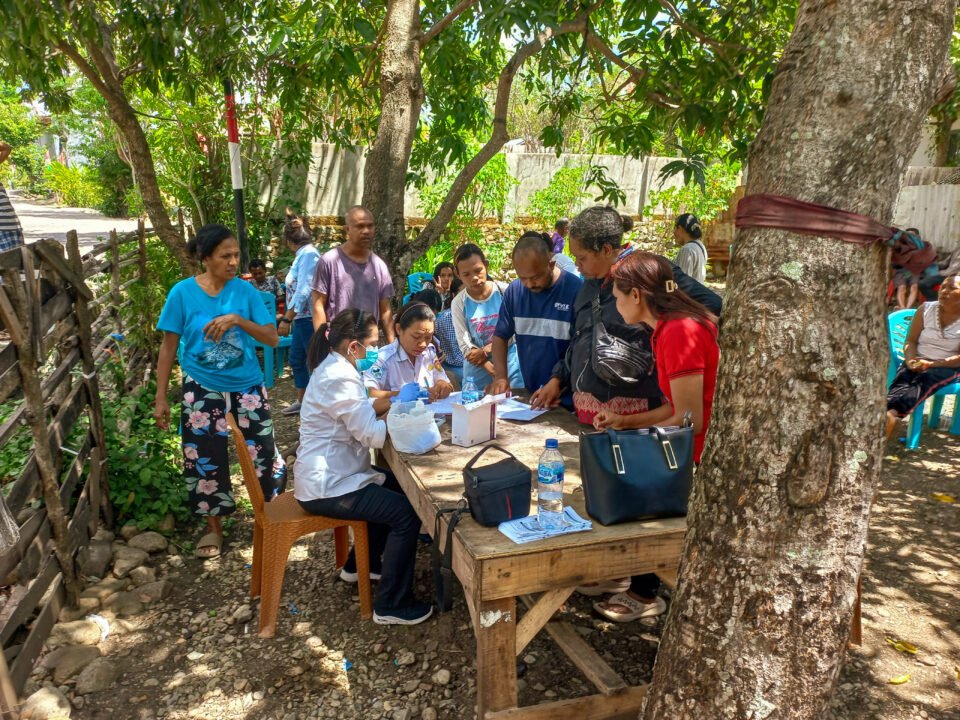
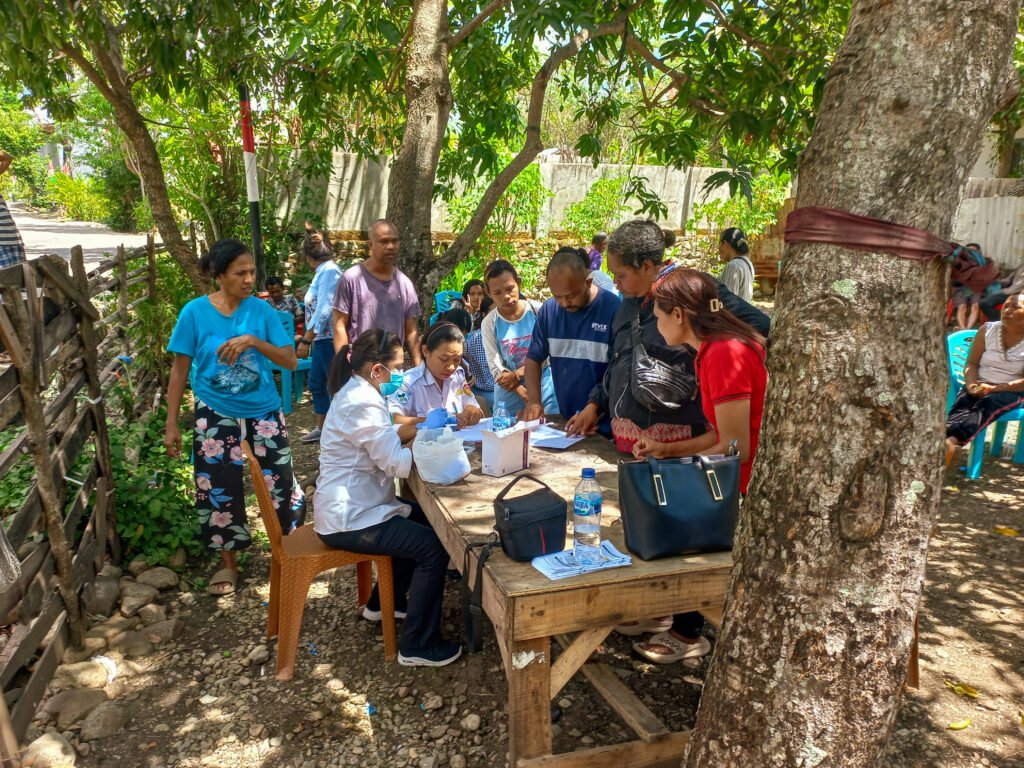
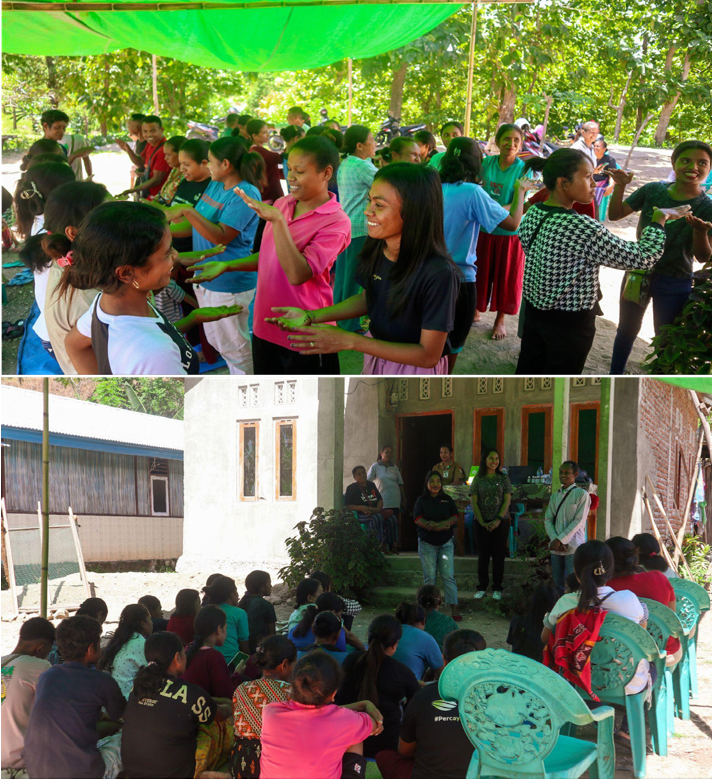
Several initiatives undertaken by the AIDS Care Community in Belu District reflect a strong commitment to addressing HIV and AIDS issues and providing meaningful support to the local community. One of the initial efforts involved conducting education and awareness campaigns on HIV and AIDS using a self-funded budget. These activities were implemented through integrated service posts (posyandu) and weekly cooperative meetings in the villages, utilizing leaflets as educational tools. Additionally, HIV and AIDS education was extended to the sub-district level. For example, the AIDS Care Communities of Bakustulama and Tukuneno Villages (West Tasifeto Sub-district) collaborated with the Halilulik and South Atambua Public Health Centres to conduct outreach and awareness sessions. These activities were part of the Follow-up Plan (RTL) developed after a workshop discussing the results of the SALT (Support, Appreciate, Learn, Transfer) Visit.
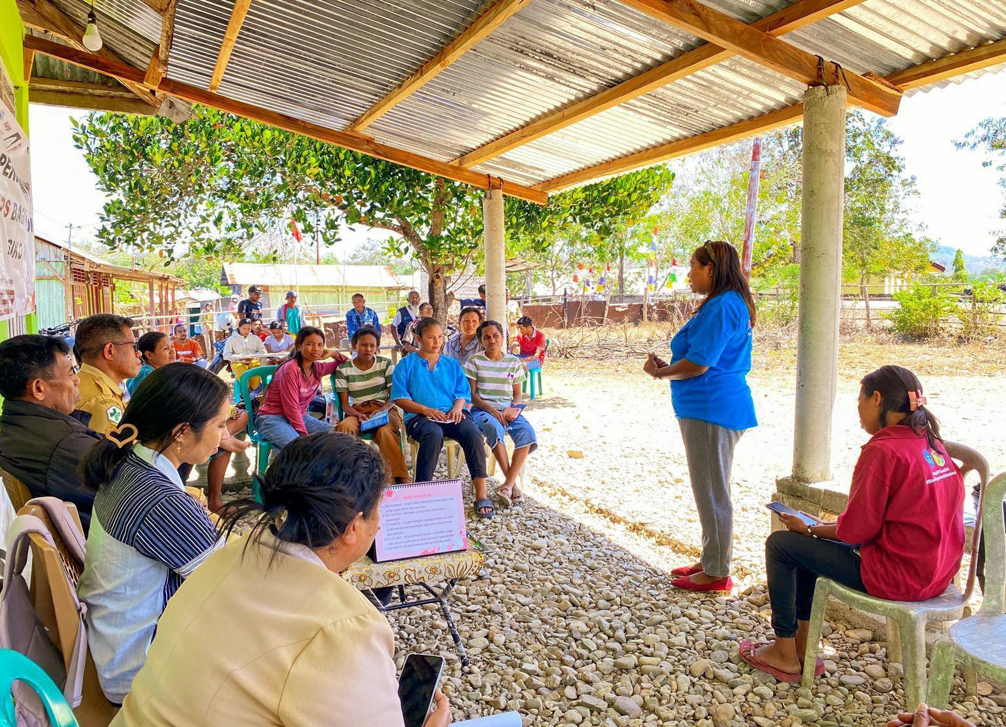
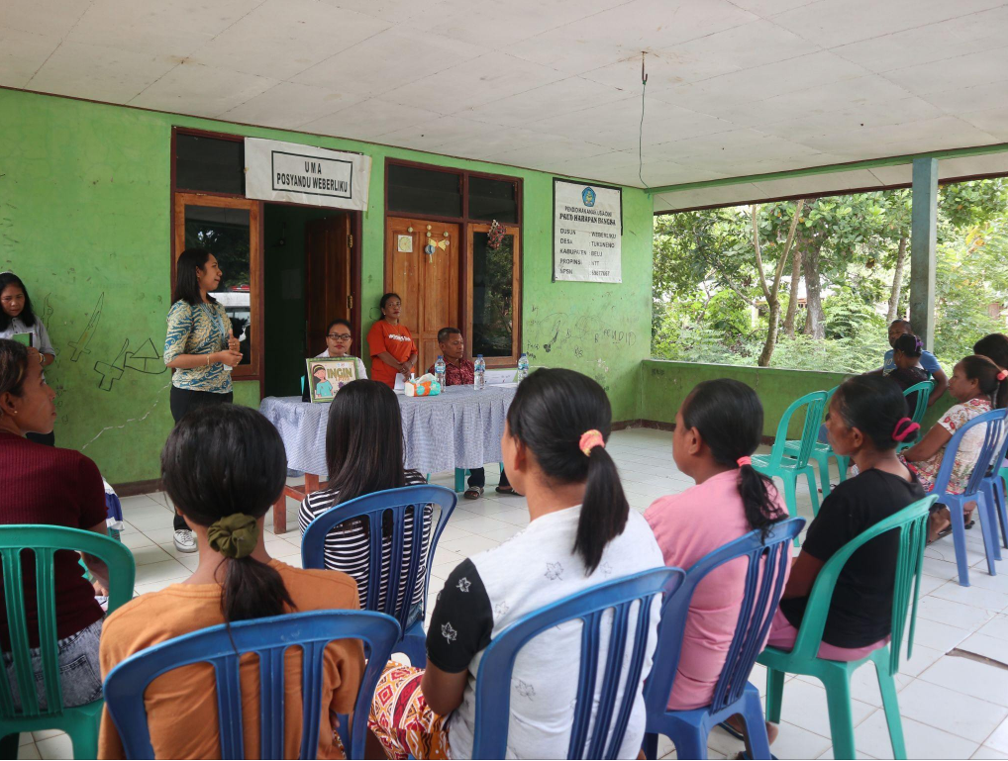
The AIDS Care Communities in Tulamalae, Umanen, and Leosama villages have established dedicated secretariat spaces to support their administrative and operational activities. The secretariats in Tulamalae and Umanen are located within the sub-district office complex. At the same time, the Leosama AIDS Care Community operates from a secretariat in the village office complex near the local maternity hut. Providing direct support to PLHIV remains a central priority for these communities. Each urban village is served by at least two trained AIDS Care Community cadres, while at the sub-district level, approximately 20 cadres are actively engaged in assisting PLHIV. In villages such as Manleten, Silawan, Tukuneno, Leosama, and Fatuketi, cadres can help collect ARV medication for PLHIV who face transportation barriers. They also work closely with community health centres to facilitate medical check-ups, which includes making home visits or arranging transportation for PLHIV residing in remote areas, ensuring they have access to essential health services.
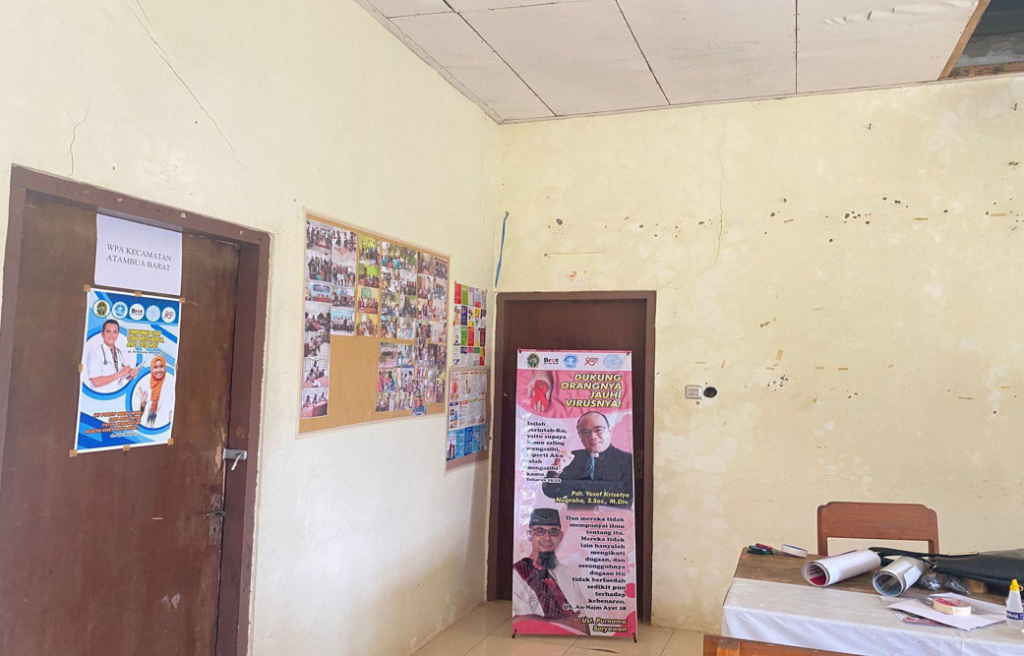
Another important initiative was advocating for the formal recognition of AIDS Care Communities by village governments, which yielded significant results. As a result of these efforts, all village-based AIDS Care Communities successfully obtained official decrees. Moreover, several village governments began directly supporting PLHIV, particularly those willing to disclose their status. This assistance included the distribution of piglets for livestock, cash transfers, and inclusion in the Hopeful Family Program. Villages implementing these support forms include Fatuketi, Silawan, Tukuneno, Bakustulama, and Umanen. In addition to direct aid, village governments have started allocating budgets to support AIDS Care Community activities, such as transportation allowances for education sessions and mentoring visits to PLHIV. These outreach efforts have reached various segments of society, including housewives, youth, neighbourhood associations, and local government officials, resulting in a broad and positive impact across the community.
Peer Support Group in Belu Regency
Moris Foun Belu has made a significant contribution to the community’s response to HIV and AIDS. One of their key initiatives is conducting awareness campaigns and serving as a resource person by sharing personal testimonies as an empowered PLHIV. These stories not only deepen public understanding of HIV and AIDS but also inspire others in similar situations to stay strong and live with hope.
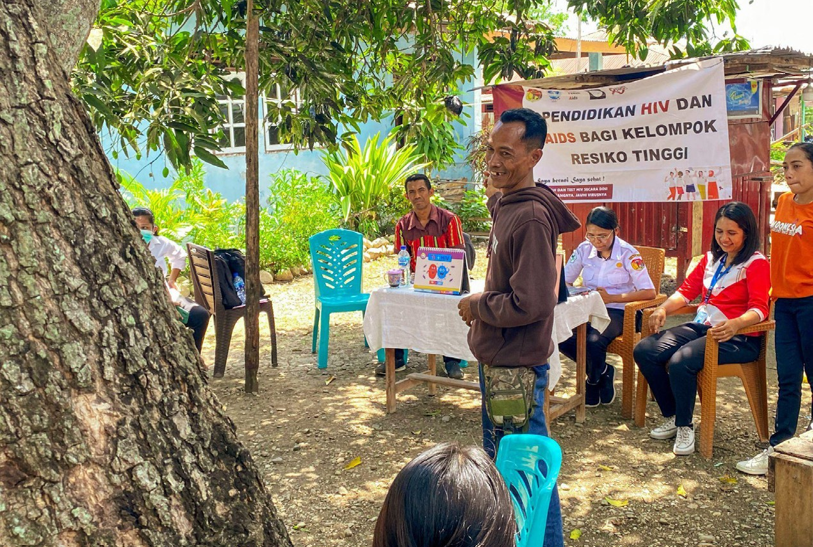
In addition, Moris Foun Belu actively supports PLHIV, particularly those who are LFU and HIV-positive pregnant women. This support ensures that they continue to receive the necessary care and are not left behind, enabling them to lead healthier, more productive lives. Moris Foun also serves a crucial role in health centres across the Belu District by acting as a hotline for screening newly identified PLHIV. This function is essential in ensuring that those recently diagnosed receive timely and appropriate treatment.
Furthermore, Moris Foun Belu has engaged in advocacy efforts with Efata Naibonat from the Ministry of Social Affairs to help PLHIV receive support tailored to their skills and needs. As a result of this advocacy, 18 out of 48 PLHIV successfully obtained assistance aligned with their capabilities, helping to improve their livelihoods. The remaining 30 received support through nutritious food to boost their health and strengthen their immune systems. These efforts highlight Moris Foun Belu’s vital role in providing social support and improving the quality of life for PLHIV.
Viewpoints of PLHIV in Belu District
One of the people reached by Moris Foun Belu is a man with the initials OV, a resident of the Atambua Selatan sub-district. His journey began when his brother met Yunus, a member of Moris Foun Belu, during a church event where Yunus was invited to share his testimony as a resource person. OV’s brother mentioned that OV was experiencing similar symptoms, which led to an introduction between OV and Yunus. This connection made OV feel more comfortable interacting with other PLHIVs. He was supported throughout the process of getting tested, starting ARV treatment, and staying consistent with his medication. Although OV has not yet disclosed his HIV status publicly, he feels safe and accepted among fellow PLHIV at Moris Foun Belu. His story reflects the organization’s vital role in fostering a sense of belonging and encouraging self-acceptance among PLHIV as they embrace a new chapter in life.
Village Government in Belu Regency
Village governments in Belu District provide support for the activities of the AIDS Care Community, Peer Support Groups, and PLHIV empowerment, reflecting a strong commitment to addressing HIV and AIDS at the grassroots level. One significant form of this support is the integration of HIV and AIDS issues into the village priority budget. This initiative demonstrates the local government’s serious attention to both the HIV and AIDS response and the empowerment of PLHIV.
In addition, village governments have committed to sustaining the independence of the AIDS Care Community and Peer Support Groups by allocating dedicated budgets through to 2030. This long-term financial support ensures both organisations can continue their impactful work within the community. As part of broader community empowerment efforts, the village government also launched the ‘One Integrated Service Post = One Cadre’ program, which incentivises IDR500,000 per month for each active cadre. This initiative not only rewards the contributions of the cadres but also strengthens the village-level support network for HIV and AIDS response.
At the sub-district level, the Atambua Barat Sub-district has established a dedicated task force that collaborates closely with community health centres and the community empowerment agency to support and protect AIDS Care Communities. This task force represents a concrete effort to strengthen collaboration among key stakeholders, ensuring the continuity and effectiveness of AIDS Care Community initiatives at the sub-district level. Moreover, the sub-district government actively involves PLHIV as resource persons in every HIV and AIDS education activity, providing them with opportunities to share their personal stories. This approach enhances public awareness and understanding and offers moral support and encouragement to other PLHIV who are brave enough to disclose their status.
Finally, Umanen Village provided catfish seedlings to PLHIV, who disclosed their status, enabling them to cultivate catfish and improve their economic situation. This initiative is a clear example of how village governments can empower PLHIVS through sustainable and productive economic activities that enhance their overall well-being. Through these various forms of support, village governments in Belu District have shown that effective HIV prevention and PLHIV empowerment require strong collaboration between communities, organizations, and local authorities.
Yogyakarta Municipality
AIDS Care Community in Yogyakarta Municipality
The AIDS Care Community in Yogyakarta City plays a crucial role in the prevention and response to HIV and AIDS. Their efforts span various initiatives, including education, advocacy, and economic empowerment, addressing the epidemic’s medical and social aspects.
One main activity is providing HIV and AIDS education to communities throughout the neighbourhood. This education is aimed at various groups, ranging from the general public, cadres, and housewives to students. Through this activity, the AIDS Care Community hopes to increase public understanding and awareness of HIV and AIDS and the importance of prevention.
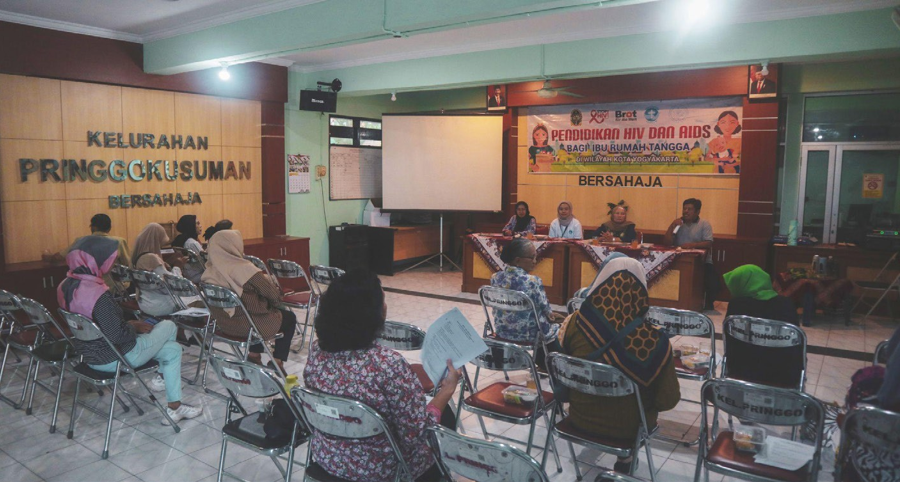
In addition to educational efforts, the AIDS Care Community also engages in lobbying and coordination with village authorities to obtain an official decree. This decree is crucial for legitimizing their work and securing budget allocations for meetings, capacity building, and community education. Even in the absence of a specific budget line for HIV, the community can still integrate HIV-related initiatives into other village health programs, ensuring continued support and sustainability for HIV prevention and response efforts.
One key outcome of these educational activities is the increased awareness among participants about HIV. They become more informed about the importance of VCT, learn to avoid stigma and discrimination toward PLHIV and help spread accurate information about HIV and AIDS within their communities. The AIDS Care Community also plays an active and transparent role in sharing HIV-related knowledge with the general public, further strengthening awareness and support at the grassroots level.
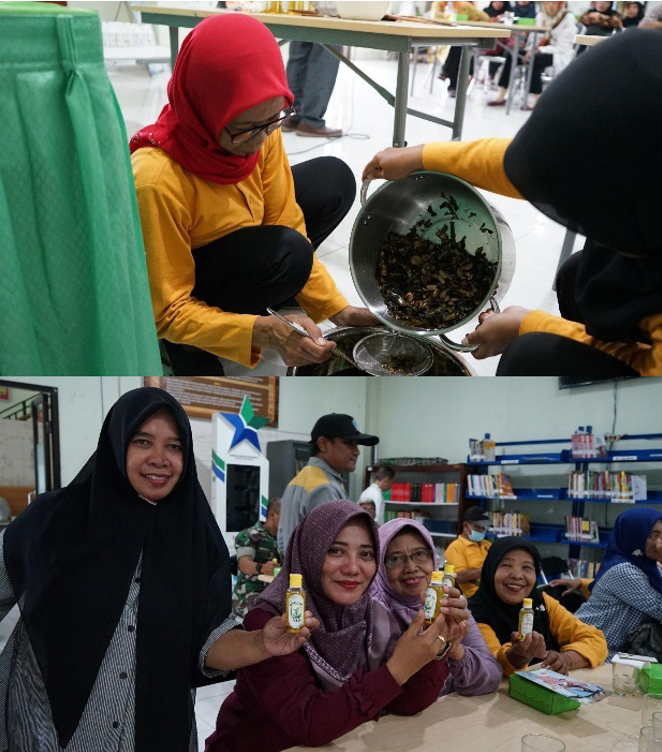
The AIDS Care Community also puts into practice the training they received through programs facilitated by CD Bethesda YAKKUM. One such initiative involves organizing workshops for the general public on making herbal medicine, massage oils, traditional massage techniques, and local food processing. These training sessions have attracted significant interest and participation, helping improve the economic well-being of community cadres and creating new business opportunities. Alongside these activities, the AIDS Care Community also incorporates HIV and AIDS education, ensuring participants gain practical skills and valuable health knowledge.
In addition, the AIDS Care Community provides direct support to individuals seeking VCT. They accompany those who engage in high-risk behaviours or voluntarily wish to undergo testing, ensuring that individuals feel supported and not alone in taking proactive steps toward their health. This accompaniment helps reduce fear and stigma, making it easier for people to access essential services.
Overall, the AIDS Care Community in Yogyakarta Municipality plays a vital role in raising awareness, reducing stigma, and providing practical support to communities affected by HIV and AIDS. Their efforts significantly contribute to building a more compassionate and inclusive environment for PLHIV while strengthening community resilience and public health.
Peer Support Group in Yogyakarta Municipality
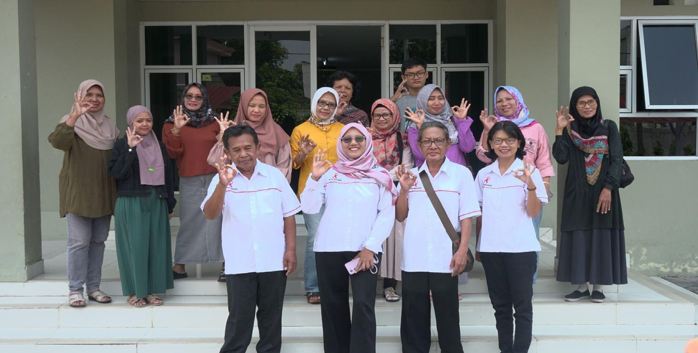
Pita Merah Jogja (PMJ) Association is vital in supporting PLHIVs in living healthy, empowered, and stigma-free lives. It focuses on various important aspects, ranging from education and advocacy to technology and creative economy innovation.
One of their main activities is networking with NGOs and AIDS Care Communities to conduct HIV education and share testimonies of people living healthy and empowered lives. These testimonials not only give hope to other PLHIV but also effectively reduce the stigma that often arises in the community. Through their education, they hope to broaden people’s knowledge about HIV and AIDS and foster mutual support and empathy toward those who are infected.
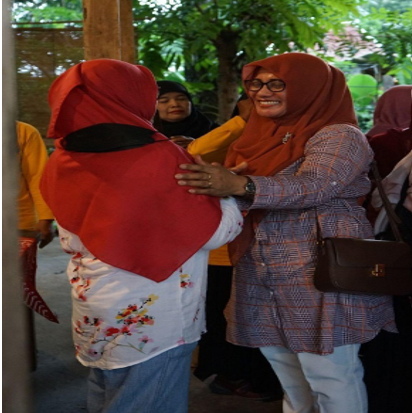
One of PMJ’s key strengths lies in its strong national and international networks. They collaborate with organizations such as the International Community of Women Living with HIV Asia-Pacific (ICWAP) and participate in global platforms like the International AIDS Conference. These connections provide access to up-to-date global information, best practices, and opportunities to share experiences and strategies for a more effective HIV response. Additionally, these networks open doors to broader support and resources, helping PMJ address challenges more effectively.
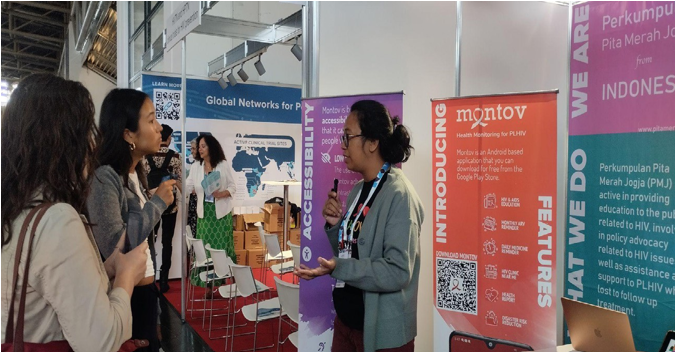
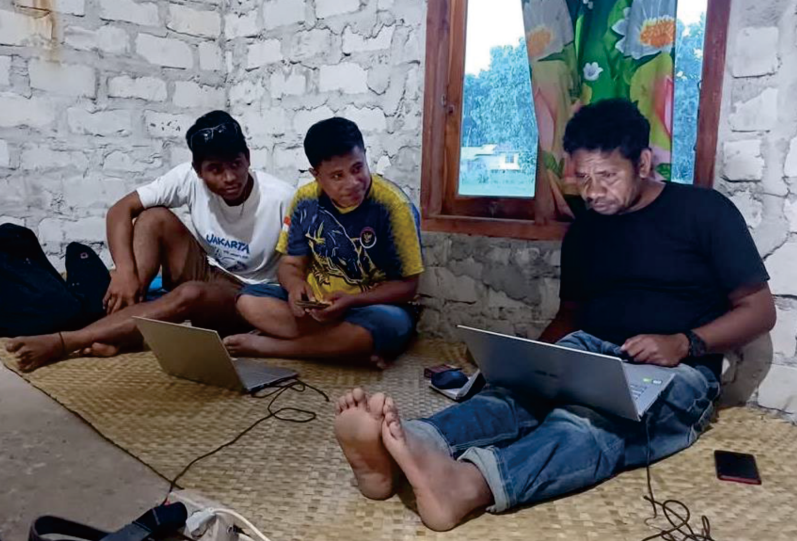
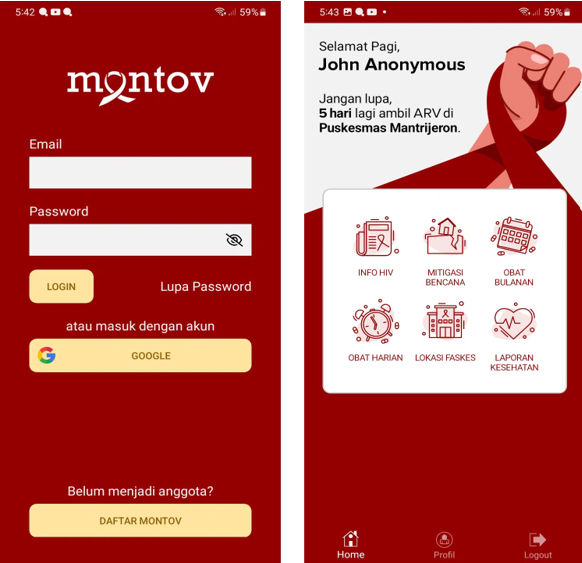
PMJ is also leveraging technology to enhance the quality of life for PLHIV by developing the PLHIV Health Monitoring application, known as MONTOV. This app is designed to support PLHIV by sending medication reminders for ARV treatment, providing information on available health services, and offering disaster-related updates to assist PLHIV during emergencies. With MONTOV, users can access essential health information more efficiently, helping them stay on track with their treatment and continue living healthy, productive lives.
PMJ also actively advocates for the Regional Legislative Council regarding HIV and AIDS response. This advocacy is critical to ensure that public policies, especially those related to health, are in favour of PLHIV and support practical HIV prevention and treatment efforts. PMJ encourages government policies to be more friendly to PLHIV and provide greater access to needed health services.
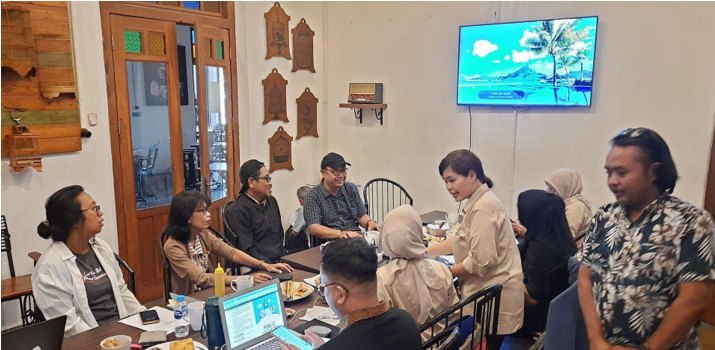
In addition, PMJ actively develops creative economic initiatives to promote group sustainability and economic empowerment for its members. Through these ventures, peer support group members can enhance their skills, explore business opportunities, and achieve greater financial independence. These initiatives strengthen the group economically and provide social and emotional support for PLHIV members, offering them meaningful ways to improve their quality of life.
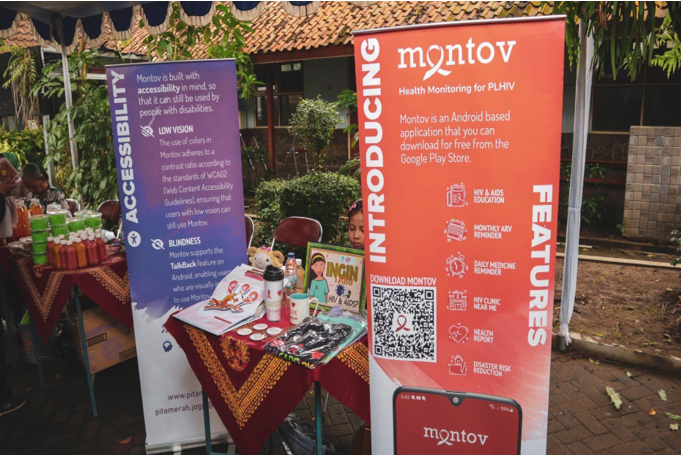
Equally important, PMJ provides direct assistance to PLHIV in accessing health services. Many individuals feel more comfortable and secure when accompanied by fellow PLHIV or PMJ members who understand their experiences and challenges. This kind of peer support helps reduce anxiety, combat stigma, and ensure that PLHIV receives the appropriate care and services tailored to their needs.
Overall, PMJ is a powerful change agent, supporting PLHIVs in multiple aspects of their lives. Through strategic networking, advocacy, business innovation, technology, and peer mentoring, PMJ not only enhances the quality of life for PLHIVs but also helps foster a more compassionate and inclusive society. Their work stands as a strong example of how collaboration, social support, and innovation can drive meaningful progress in the HIV and AIDS response.
Village Government in Yogyakarta Municipality
Partner villages in Yogyakarta City are crucial in supporting HIV and AIDS response efforts, mainly through close collaboration with AIDS Care Communities. One concrete form of support is the allocation of village budgets for activities such as regular meetings and HIV and AIDS education. Additionally, these villages strive to integrate AIDS Care Community activities with broader health initiatives. This integration is key to ensuring that HIV and AIDS issues are recognized as part of general public health concerns, thereby strengthening prevention and response efforts at the community level.
In addition to financial support, villages also provide physical spaces to facilitate the activities of AIDS Care Communities. For example, in Suryodiningratan Village, the local government allocated space for the AIDS Care Community’s secretariat. The presence of this secretariat serves as a powerful symbol of the village government’s commitment to HIV prevention efforts. It also creates a welcoming and accessible point for community members seeking information, support, or services related to HIV and AIDS.
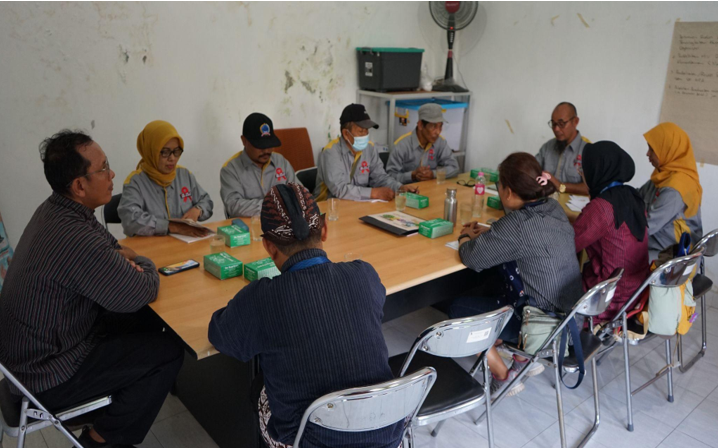
The village not only provides resources but also actively engages in capacity-building efforts through training sessions and discussions on HIV and AIDS. Whenever the AIDS Care Community organizes such activities, village representatives consistently attend and participate, demonstrating a shared commitment to learning and collaboration. This involvement is crucial, as it allows village officials to gain a deeper understanding of the challenges faced by the community—especially those living with HIV—and to work together in identifying more effective and compassionate solutions to support them.
With the strong support of urban villages in Yogyakarta, the activities of the AIDS Care Community have become more organized and impactful. This collaboration has fostered a more compassionate and inclusive environment, where HIV and AIDS are no longer considered taboo but are recognized as vital components of broader public health discussions. The active involvement of village governments helps raise community awareness, promote accurate prevention methods, and combat stigma and discrimination against PLHIV. Yogyakarta’s urban villages serve as a model for how local governments can effectively and sustainably address public health challenges through holistic, community-based approaches.
Conclusion
The AIDS Care Community and Peer Support Group play a crucial role in dispelling misconceptions about HIV and AIDS at the community level. Through education, advocacy, and social support, these two organizations have successfully enhanced public understanding and significantly reduced stigma toward PLHIV. Their efforts contribute to building a more informed, compassionate, and inclusive community.
Partnering with village governments has further strengthened efforts to support PLHIV, helping to build a more inclusive and compassionate community. To ensure sustainability, local governments should adopt and reinforce community-based policies that support AIDS Care Community and Peer Support Group programs.
Writers:
Novia Keren Cahyanti dan Rudi Kurniawan.